Single-team assessment
Best for
One department with a clear repeated workflow and a decision to make.
Typical output
Scorecard, use-case register and a named first pilot. From £3,000 excluding VAT.
A structured assessment of your processes, data, capability and governance position, scored against a method you keep and can re-run. The output is a decision you can defend, including the decision not to proceed.
Before the first pilot
Tick only the conditions you can evidence today. A missing condition is a next action, not a verdict on your team.
Your choices stay in this page. No sign-up required.
Name an owner and define the problem. Agree suitable test data and access. Measure the baseline and write an acceptance test. Assign review and document the fallback.
A checklist cannot verify security, legal suitability, data quality or commercial value. Bring the underlying evidence to the review.
Explore this route →This is a preparation checklist, not the scored Indexify readiness audit, certification or compliance advice.
The scope is agreed around the problem and the evidence required. You do not need to commit to a larger engagement before a focused diagnostic has earned it.
Best for
One department with a clear repeated workflow and a decision to make.
Typical output
Scorecard, use-case register and a named first pilot. From £3,000 excluding VAT.
Best for
Organisations that also need to know how AI assistants currently represent them.
Typical output
The above, plus an AI visibility baseline and a source-authority plan. From £4,500 excluding VAT.
Best for
Several functions where the priority between them is genuinely unclear.
Typical output
Comparative scoring across teams, plus a sequenced roadmap. From £5,500 excluding VAT.
Best for
Organisations where confidentiality or regulatory exposure drives the answer.
Typical output
The above, plus a constraints register and a governance requirement set. From £7,500 excluding VAT.
Evidence standard: The fee is fixed and agreed in writing before the work starts. Every scored opportunity is tied to a named process, a named owner and a measure that would show whether it worked. Where the honest answer is that the data, the ownership or the capability is not yet in place, the report says so rather than recommending a pilot that cannot succeed.
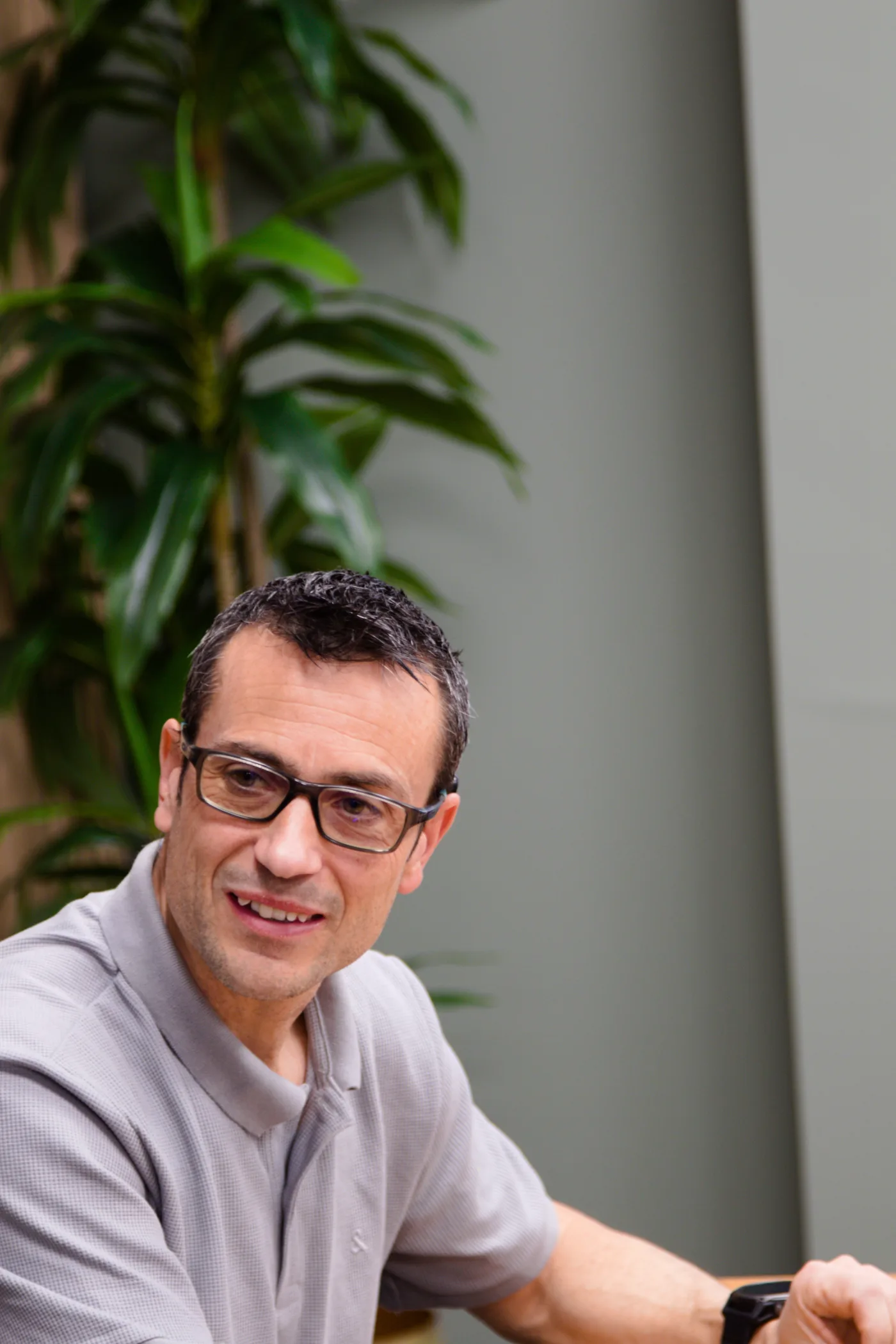
Jon scopes the work and does it. His background spans software development, statistical analysis and marketing intelligence, so the person who finds the problem is also the person who can fix it.
There is no hand-off between sales, strategy and delivery. You deal with Jon from the first conversation to the final check.
Read Jon’s full profileThe scope follows your organisation and the problem you need to solve. These are the areas the work usually covers.
Interviews and workflow review across the teams that carry the repeated work.
What the organisation holds, who may use it and under what conditions.
Whether the people involved can carry the change once the tooling exists.
How the organisation is currently described, cited or omitted by AI assistants.
Agree the teams, processes and systems in scope, and what evidence can be shared.
Structured conversations with the people doing the work, alongside a review of documents, tools and data.
Score each candidate opportunity against value, feasibility, risk and adoption effort using a method you keep.
A written assessment and a working session where the leadership team chooses the first pilot, or decides not to proceed.
Read before you decide
A sourced benchmark of published UK AI consultancy, readiness and implementation pricing, including which providers publish figures and which do not.
Read the practical guideA structured assessment of whether an organisation can apply AI to its real work safely and usefully. It covers the processes that could benefit, the data and confidentiality constraints that limit what is possible, the capability of the people involved, and the governance needed before anything is deployed. The output is a decision, not a demonstration.
Ours start at £3,000 excluding VAT for a single team, rising to £7,500 for regulated or sensitive-data work, and the full breakdown is on our pricing page. Across the wider UK market, published fixed-fee assessments run from around £1,000 for a single department to £8,000 for organisation-wide work, while several suppliers on the Government G-Cloud framework price readiness by the day instead. Our sourced benchmark sets out those figures with the caveats each one carries.
A workshop generates ideas and shared understanding in a room. A readiness audit tests those ideas against the organisation’s actual data, constraints, capability and governance position, and scores them. A workshop is a good way to start when nobody agrees on the problem. An audit is what you need before committing budget.
That is a legitimate and useful result. It is considerably cheaper to learn that the data is not in a usable state, or that no owner exists for the workflow, before commissioning a build rather than during one. The report will name what would need to change first.
Because AI assistants are increasingly how buyers, candidates and journalists first encounter an organisation. If assistants cannot find you, describe you incorrectly, or cite a competitor in your place, that is a commercial exposure created by AI whether or not you ever deploy it internally. Most readiness assessments do not look at it at all.
The people who actually do the repeated work, plus whoever owns the data and whoever can authorise a change to the process. Assessments that only involve leadership tend to produce a roadmap nobody can carry out.
“Jon has provided excellent support for SEO strategy and implementation for Avicenna Pharmacies across England and Wales, driving impactful results for our brand awareness campaigns. Thanks to his expertise, we achieved top 5 rankings in a remarkably short time. Jon delivered a detailed, structured roadmap with clear tracking metrics, making progress transparent and actionable.”
“Our website had been facing some serious technical issues on WordPress and a noticeable drop in SEO rankings, and Jon was incredibly helpful in diagnosing and resolving these problems. He didn’t just fix the immediate problems; he also offered valuable advice on optimizing our site for better search engine visibility in the future.”
“Jon and the team were able to offer us clear, concise and accurate support and information during an integral business move when merging our company websites. The team are able to give strategic direction and reliable information at the drop of a hat! Incredibly responsive, could not recommend their services more.”
“Thanks to his expertise and unwavering dedication, we’ve catapulted to the first page of Google for our targeted keywords. What truly distinguishes Indexify is their exceptional customer service. Jon is incredibly responsive and attentive to our needs, ensuring that every question or concern is promptly addressed.”
Start with a recurring report, source checks and an owned review process.
Explore this serviceDefine and improve one marketing workflow before expanding the scope.
Explore this serviceOnce the assessment names a pilot, this is the engagement that builds and embeds it.
Explore this serviceWhere the assessment surfaces confidentiality or accountability gaps, this addresses them with the people involved.
Explore this serviceThe external half of readiness: whether AI assistants can find, describe and cite your organisation correctly.
Explore this serviceWhat each assessment scope costs, what is included, and how it compares with the rest of the published UK market.
Explore this serviceTell us about the problem and what has prompted the conversation. Jon replies personally and will recommend a proportionate first step.